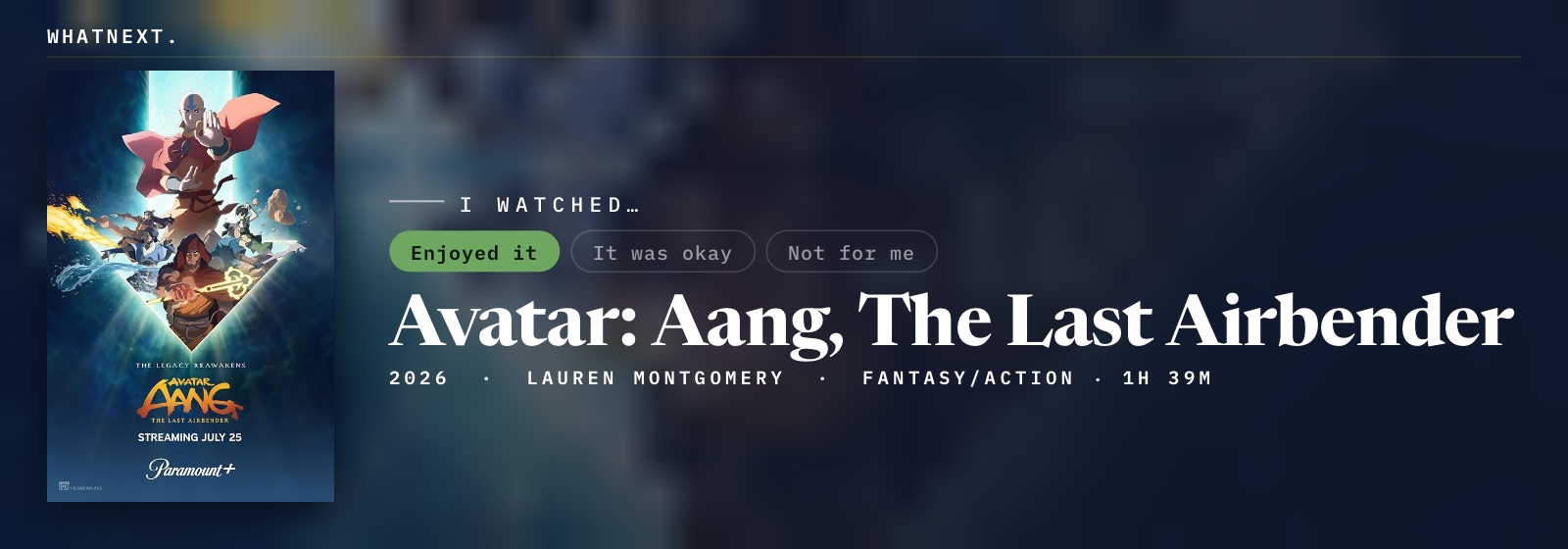
As a longtime fan who has rewatched the original animated series countless times, sitting down in a theater to see the Gaang back in action was an absolute treat. The road to getting there was undeniably turbulent, from multiple release delays to the abrupt cancellation of its wide theatrical rollout, making its eventual limited run in New York and Los Angeles feel like a rare, hard-won experience. Directed by Lauren Montgomery, Avatar: Aang, The Last Airbender brings the core crew into their young adult years with exceptional visual flair, kinetic martial arts choreography, and genuine narrative affection.
What Worked
Visually, the film is gorgeous. The fight sequences are fluid and inventive, giving bending the cinematic scale and physical impact it always deserved on the big screen. The environmental backgrounds are vibrant and distinct, capturing the architectural beauty of the Four Nations with rich textures and lighting. The adult character models feel mostly like natural progressions of the original designs (save some minor nitpicks with the streamlining of certain looks), letting the physical growth of the characters reflect the years that have passed since the defeat of Fire Lord Ozai.
The story at its core carries genuine emotional resonance. Aang is no longer just the playful kid trying to master four elements to save the world; he is a young adult grappling with the heavy survivor's guilt of being the last of his kind. When an opportunity arises that might allow him to restore or protect what was lost, his personal longing clashes directly with his spiritual duty as the Avatar to maintain balance across all nations. That central tension gives the plot real dramatic stakes.
Dave Bautista delivers a compelling, deeply menacing vocal performance as the villain Taga. What makes Taga particularly fascinating is that he represents a type of airbender we have never seen before. Across the entire franchise we have only ever encountered a handful of airbenders, and virtually all of them adhere to or descend from Aang's pacifist, monastic Air Nomad culture. Seeing an airbender operate outside that spiritual tradition expands the mythos of the world considerably, proving that the Avatar universe still has a vast, untapped history of forgotten bending traditions waiting to be explored.
Seeing the Gaang back together feels earned: they have clearly matured and taken on greater responsibilities, but their core group chemistry remains completely intact. Katara in particular receives some of the best bending showcases in the entire franchise. Watching her hold her own in close-quarters combat against Taga is thrilling, but her parting of the sea during the third-act crisis stands out as an awe-inspiring highlight of waterbending mastery. The film moves at a brisk, engaging clip, staying focused on its central conflict without ever feeling bloated.
What Didn't Land
Where the movie falters is in its handling of certain franchise mechanics. The new staff introduced into the plot feels excessively overpowered, operating more like a mystical MacGuffin than something rooted in the grounded spiritual lore of the Avatar world. Because of how quickly its powers escalate, portions of the narrative lean into the rhythm of a non-canon anime side-story rather than an essential, foundational chapter of the overarching mythology.
Combat power scaling also feels inconsistent in the middle act. While it makes total sense that the Gaang would struggle against Taga (a formidable, militarized airbender possessing a combat style they have rarely encountered, save for Zuko's sparring with Aang), watching them struggle against generic foot soldiers and equalist knockoffs felt unconvincing. After watching these characters master their abilities across three seasons of television, seeing them momentarily overwhelmed by nameless henchmen weakens the tension.
Final Thoughts
Even with those narrative hiccups, Avatar: Aang, The Last Airbender is a great movie that I have already watched more than once. When I posted my initial reaction on TikTok, I was struck by how effectively it recaptured the spirit of the original show. It is unapologetically tailored for longtime fans who grew up with these characters, but its brisk pacing, emotional core, and stellar animation make it accessible and rewarding for anyone who appreciates high-tier martial arts fantasy.
It lands comfortably as an "Enjoyed it" verdict, and I genuinely hope it serves as the launching pad for more feature-length adventures with the adult Gaang.
Stray Observations
- Non-Aang members of the core team do not get quite as much narrative real estate as you might hope for in an ensemble feature.
- Sokka's comedic beats veer slightly into flanderization at points rather than showcasing his tactical brilliance.
- Katara running out of water in a key tactical moment felt uncharacteristically sloppy for a master waterbender.
- The script occasionally suffers from the modern streaming habit of having characters explain their actions out loud while performing them.
- Justice for Suki: her absence from this reunion is noticeable and disappointing.
If You Liked This, Try These
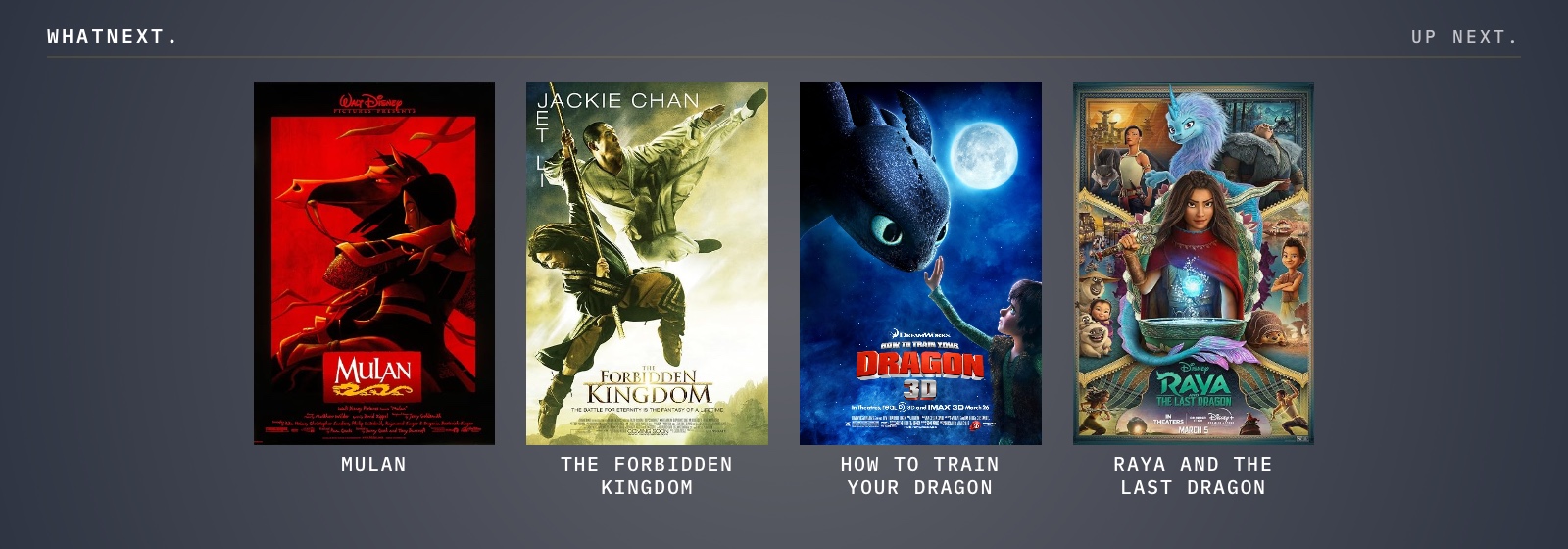
WhatNext.'s recommendation engine selected four titles that capture the animated majesty, martial arts spirit, and elemental worldbuilding of Avatar: Aang, The Last Airbender:
Raya and the Last Dragon delivers stunning Southeast Asian-inspired fantasy environments, fluid blade-and-martial choreography, and a heartfelt quest centered on healing a divided world.
Mulan (1998) is a masterclass in classic animation pacing, featuring heroic mythic stakes, discipline, and outstanding hand-drawn battle sequences.
How to Train Your Dragon combines breathtaking aerial kineticism and world-class orchestral scoring with a poignant story of young heroes reshaping their culture.
The Forbidden Kingdom brings legendary martial arts choreography and mythic fantasy quests to life, pitting iconic combat styles against ancient supernatural threats.
Runner-up titles from the recommendation engine include The Sea Beast, The Book of Life, Abominable, and Finding 'Ohana.